Counselling Psychology Degree: Your Complete Guide 2026
- Agency Access
- 1 day ago
- 9 min read

Pursuing a counselling psychology degree represents a significant commitment to understanding human behavior, mental health, and the therapeutic process. This educational pathway prepares future mental health professionals to provide evidence-based support to individuals, couples, and families facing psychological challenges. As the demand for qualified mental health practitioners continues to grow across North America, particularly in diverse communities throughout Ontario and the Greater Toronto Area, understanding the requirements, structure, and opportunities within this field becomes essential for prospective students.
Understanding Counselling Psychology Degrees
A counselling psychology degree encompasses multiple educational levels, each building upon foundational knowledge in psychology, human development, and therapeutic interventions. The journey typically begins with undergraduate studies and extends through graduate-level training.
Undergraduate programs establish the groundwork for advanced study. Students pursuing a bachelor's degree in psychology or related fields complete coursework in:
Developmental psychology and lifespan development
Abnormal psychology and psychopathology
Research methods and statistical analysis
Social psychology and group dynamics
Cognitive and behavioral theories
These foundational courses provide essential background information on counseling psychology that prepares students for graduate-level work. Most undergraduate programs require 120 credit hours and typically take four years to complete.
Graduate programs represent the professional training phase. A Master's degree in counselling psychology typically requires two to three years of full-time study, including supervised clinical practice. Doctoral programs (PhD or PsyD) extend this training to five to seven years, incorporating extensive research and advanced clinical work.
Core Curriculum Components
Graduate counselling psychology degree programs integrate theoretical knowledge with practical application. The curriculum structure balances academic rigor with hands-on experience.
Program Component | Master's Level | Doctoral Level |
Coursework Credits | 48-60 credits | 90-120 credits |
Practicum Hours | 600-1000 hours | 1500-2000 hours |
Internship | 600 hours | 2000+ hours |
Research Requirement | Thesis or portfolio | Dissertation |
Students engage with specialized courses covering counseling theories, assessment techniques, multicultural competencies, and ethical practice. Practical training occurs in university clinics, community mental health centers, hospitals, and private practices where students work under licensed supervision.
The comprehensive collection of reference sources in psychology available through academic libraries supports students throughout their coursework, providing access to current research and theoretical frameworks.
Accreditation and Program Selection
Selecting an accredited counselling psychology degree program ensures educational quality and professional recognition. Accreditation bodies establish standards that programs must meet regarding curriculum, faculty qualifications, and student outcomes.
In Canada, the Canadian Psychological Association (CPA) accredits doctoral programs in counselling psychology. American programs may hold accreditation from the American Psychological Association (APA) or the Council for Accreditation of Counseling and Related Educational Programs (CACREP). Understanding accreditation standards and their significance helps prospective students make informed decisions.
Key factors when evaluating programs include:
Accreditation status and recognition
Faculty credentials and research interests
Clinical training opportunities and placement sites
Graduation rates and licensure exam pass rates
Specialization options and concentration areas
Financial aid and assistantship availability
Programs may offer specializations in areas such as trauma-informed care, family systems, addiction counseling, or culturally-adapted interventions. Students interested in working with diverse populations should seek programs emphasizing multicultural counseling competencies.
Admission Requirements
Competitive counselling psychology degree programs maintain selective admission standards. Graduate programs typically require:
Undergraduate degree with minimum GPA (usually 3.0 or higher)
GRE scores (requirements vary by program and country)
Letters of recommendation from academic or professional references
Personal statement articulating career goals and fit with program
Relevant experience in mental health, research, or related fields
Interview with faculty and admissions committee
Some programs prefer or require prerequisite courses in statistics, research methods, and core psychology areas. Volunteer experience, research assistantships, or work in mental health settings strengthens applications significantly.
Clinical Training and Supervision
Hands-on clinical experience forms the cornerstone of counselling psychology education. Supervised practice allows students to apply theoretical knowledge while developing therapeutic skills under experienced guidance.
Practicum experiences begin early in graduate training. Students work with real clients in controlled settings, receiving weekly supervision from licensed professionals. These placements expose students to various populations and presenting concerns, from anxiety and depression to relationship issues and trauma recovery.
Individual therapy settings provide opportunities for students to develop core counseling skills including active listening, empathic responding, assessment, and intervention planning. Many training sites serve diverse communities, preparing future therapists to work effectively with clients from various cultural backgrounds.
Developing Professional Competencies
Training programs assess student development across multiple competency domains throughout the counselling psychology degree journey. Professional organizations have identified core competencies that programs systematically develop and evaluate.
Therapeutic relationship skills: Building rapport, demonstrating empathy, maintaining boundaries
Assessment and diagnosis: Conducting intake interviews, using standardized instruments, formulating case conceptualizations
Intervention strategies: Applying evidence-based treatments, adapting approaches to client needs, monitoring progress
Ethical decision-making: Navigating confidentiality, dual relationships, and professional standards
Cultural responsiveness: Recognizing diversity factors, addressing systemic barriers, adapting interventions appropriately
Self-awareness and reflection: Understanding personal biases, managing countertransference, pursuing ongoing development
Discipline-specific databases and resources support students in researching evidence-based practices and staying current with emerging therapeutic approaches throughout their training.
Supervisors evaluate students through direct observation, audio or video recording review, and case presentation discussions. This intensive feedback process ensures graduates meet professional standards before entering independent practice.
Specialized Knowledge Areas
A comprehensive counselling psychology degree develops expertise across multiple knowledge domains. Students master both breadth and depth in psychological science and applied practice.
Theoretical orientations provide frameworks for understanding human behavior and guiding therapeutic interventions. Programs expose students to psychodynamic, humanistic, cognitive-behavioral, systemic, and integrative approaches. Students learn to select and adapt interventions based on client characteristics, presenting problems, and empirical evidence.
Research methodology and program evaluation skills enable practitioners to consume research critically, contribute to the evidence base, and assess treatment effectiveness. Students learn quantitative and qualitative methods, statistical analysis, and outcome measurement.
Knowledge Domain | Key Topics | Clinical Application |
Developmental Psychology | Lifespan development, attachment, identity formation | Age-appropriate interventions, developmental transitions |
Psychopathology | Diagnostic criteria, symptom patterns, comorbidity | Assessment, treatment planning, referral decisions |
Neuroscience | Brain structure, neural mechanisms, psychopharmacology | Understanding biological factors, collaboration with medical professionals |
Social Psychology | Group dynamics, social influence, interpersonal processes | Family therapy, couples work, group interventions |
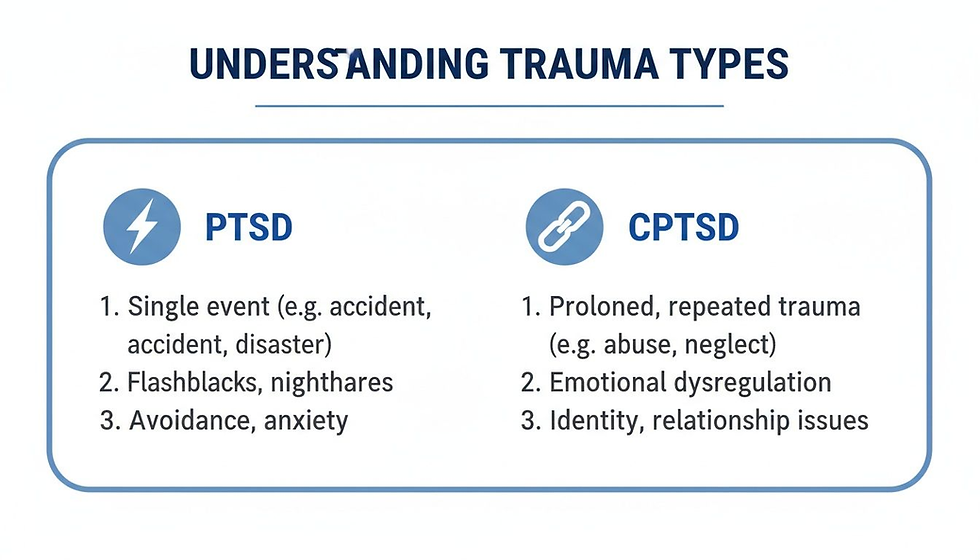
Contemporary programs increasingly emphasize trauma-informed practice, recognizing how adverse experiences impact mental health across the lifespan. Understanding trauma therapy approaches equips graduates to work effectively with survivors of abuse, violence, and other traumatic events.
Multicultural and Diversity Competencies
Effective practice requires understanding how culture, identity, and social context influence mental health and help-seeking behaviors. Counselling psychology degree programs dedicate significant attention to developing multicultural competencies.
Students examine their own cultural identities, biases, and assumptions through structured self-reflection exercises. Coursework explores how race, ethnicity, religion, sexual orientation, gender identity, socioeconomic status, and ability status intersect to shape experiences and worldviews.
Training prepares practitioners to work with diverse communities including South Asian populations who may face unique stressors related to immigration, acculturation, intergenerational conflict, and discrimination. Culturally-adapted interventions recognize that standard therapeutic approaches may require modification to align with clients' values and communication styles.
Licensure and Professional Credentials
Completing a counselling psychology degree represents one phase of the journey toward independent practice. Graduates must obtain professional licensure to practice legally and use protected titles.
Provincial and state requirements vary but generally include:
Completion of accredited degree program
Supervised clinical hours (typically 1500-4000 post-degree)
Passing score on licensing examination
Jurisprudence exam on laws and ethics
Background check and character review
Continuing education for renewal
In Ontario, graduates may pursue registration with the College of Psychologists of Ontario (CPO) as a Psychological Associate or Psychologist, depending on degree level. The registration process includes documented supervision, examinations, and competency assessments.
Professional organizations offer additional certifications in specialized areas such as trauma treatment, couples therapy, or addiction counseling. These credentials demonstrate advanced expertise and commitment to specific practice domains. The curated list of authoritative reference works helps professionals stay informed about evolving standards and best practices.
Career Pathways and Opportunities
Practice settings include:
Private practice: Self-employment or group practice providing psychotherapy services
Healthcare facilities: Hospitals, rehabilitation centers, medical clinics
Community agencies: Non-profit organizations serving specific populations or issues
Educational institutions: University counseling centers, K-12 schools, student support services
Government: Veterans services, correctional facilities, employee assistance programs
Research institutions: Universities, policy organizations, treatment development centers
Career trajectories vary based on degree level, specialization, and personal interests. Some practitioners focus exclusively on direct service delivery, while others balance clinical work with teaching, supervision, research, or administrative responsibilities.
The mental health field continues experiencing growth, driven by increased awareness of psychological wellbeing and reduced stigma around seeking support. Employment projections indicate strong demand for qualified counselling psychologists through 2030 and beyond, particularly in underserved communities and specialized practice areas.
Financial Considerations and Support
Pursuing a counselling psychology degree requires significant financial investment. Understanding costs and available support helps students plan effectively and minimize debt burden.
Typical expenses include:
Tuition and fees ($8,000-$50,000 annually depending on institution and residency status)
Books, materials, and technology
Living expenses during full-time study
Professional liability insurance during practicum
Examination and licensure fees
Professional association memberships
Graduate programs often provide funding through teaching assistantships, research assistantships, or fellowships. These positions offer tuition waivers plus stipends in exchange for 10-20 hours weekly of teaching, research, or administrative work.
Funding Source | Typical Amount | Requirements |
Teaching Assistantship | $15,000-$25,000/year + tuition | Teaching or grading duties |
Research Assistantship | $15,000-$30,000/year + tuition | Research project work |
Fellowships | Varies widely | Academic merit, research proposal |
Student Loans | Covers remaining costs | Enrollment verification |
External scholarships from professional organizations, foundations, and diversity initiatives provide additional support. Students should explore options specifically for mental health training or their demographic backgrounds.
Part-time programs allow students to maintain employment while completing degrees, though they extend time to completion. Some employers offer tuition reimbursement for employees pursuing relevant graduate education.
Program Formats and Flexibility
Counselling psychology degree programs have evolved to accommodate diverse student needs. Traditional full-time, on-campus programs continue alongside part-time and hybrid formats.
Full-time programs enable intensive immersion in coursework and clinical training. Students typically complete master's degrees in two years and doctoral programs in five to six years. This format suits those able to prioritize education without significant work or family obligations.
Part-time programs extend completion timelines but allow students to balance education with employment and personal responsibilities. Evening and weekend courses accommodate working professionals. Master's programs may take three to four years part-time, while doctoral programs can extend to eight years or more.
Hybrid and low-residency programs combine online coursework with periodic intensive in-person sessions. Students complete theoretical content remotely while gathering for skills training, intensive workshops, and supervision. Clinical placements occur in students' local communities under approved supervisors.
Key resources for counseling students including databases like PsycINFO and PsycARTICLES remain accessible regardless of program format, ensuring all students can engage with current research and literature.
Technology has expanded access to quality counselling psychology education while maintaining rigorous standards. Online platforms facilitate synchronous class discussions, recorded lectures for review, and virtual supervision sessions. However, hands-on clinical training still requires in-person contact with clients and supervisors.
Balancing Academic and Personal Life
Successfully completing a counselling psychology degree demands effective time management and self-care. The intensive nature of graduate training, combined with the emotional weight of clinical work, can challenge students' wellbeing.
Programs increasingly emphasize wellness and professional self-care as essential competencies rather than optional luxuries. Students learn to recognize burnout signs, establish healthy boundaries, and utilize support systems. Many programs require personal therapy, recognizing that therapists' self-awareness and emotional health directly impact their effectiveness with clients.
Peer support networks provide invaluable encouragement and practical assistance. Study groups, cohort relationships, and student organization involvement create community among those sharing similar challenges and goals. These connections often extend beyond graduation into professional consultation relationships.
Current Trends and Future Directions
The counselling psychology field continues evolving in response to societal changes, research advances, and emerging needs. Students entering programs in 2026 should understand current trends shaping education and practice.
Teletherapy and digital mental health have transformed service delivery. The COVID-19 pandemic accelerated adoption of virtual counseling, demonstrating effectiveness across many populations and concerns. Current training programs incorporate telehealth competencies, teaching students to establish therapeutic presence, ensure confidentiality, and manage technology issues in remote sessions. Understanding the rise of online therapy options helps students prepare for contemporary practice realities.
Integrated care models bring mental health services into primary care settings, addressing whole-person wellness. Counselling psychologists increasingly work alongside physicians, nurses, and other healthcare providers, requiring skills in consultation, brief intervention, and interdisciplinary collaboration.
Trauma-informed approaches have become foundational across practice settings. Recognition of adverse childhood experiences' long-term impacts has shifted how practitioners conceptualize and address diverse presenting concerns, from anxiety and depression to relationship difficulties and substance use.
Social justice and advocacy receive growing emphasis. Programs train students to recognize how systemic oppression, discrimination, and inequitable access to resources impact mental health. Graduates increasingly engage in community-level interventions, policy advocacy, and efforts to dismantle barriers to care.
Research continues refining our understanding of effective interventions for specific populations and concerns. Finding scholarly articles and books in counseling through specialized databases enables practitioners to implement evidence-based approaches and contribute to evolving knowledge.
Earning a counselling psychology degree provides comprehensive preparation for a rewarding career supporting individuals, couples, and families through mental health challenges. The journey demands dedication, self-reflection, and commitment to ongoing learning, but opens doors to meaningful work that genuinely impacts lives. Whether you're considering this path or already pursuing your education, Aks Counselling and Psychotherapy understands the complexities of mental health support across diverse communities in Mississauga and throughout Ontario, offering culturally-adapted services that reflect the highest standards of professional practice. Reach out today to learn how professional counselling can support your wellbeing or to explore opportunities to work with experienced practitioners who exemplify excellence in the field.
Article written using RankPill.